How to Maintain Home Plumbing Systems: A Homeowner’s Guide
Your home plumbing system is one of the most important systems in your house. It not only delivers clean water for drinking, cooking, and bathing but also safely removes wastewater and maintains proper sanitation throughout your home. In addition, it regulates water pressure, prevents leaks, and ensures appliances like water heaters, dishwashers, and washing machines function properly. Understanding how to maintain your home plumbing system can prevent costly damage, improve efficiency, and save both time and money.
At Butler Plumbing – Heating & Gasfitting Ltd., we’ve spent years helping Edmonton homeowners protect their homes with reliable, practical plumbing solutions. From routine maintenance to emergency home plumbing repair, our experienced team provides expert guidance and service you can trust.
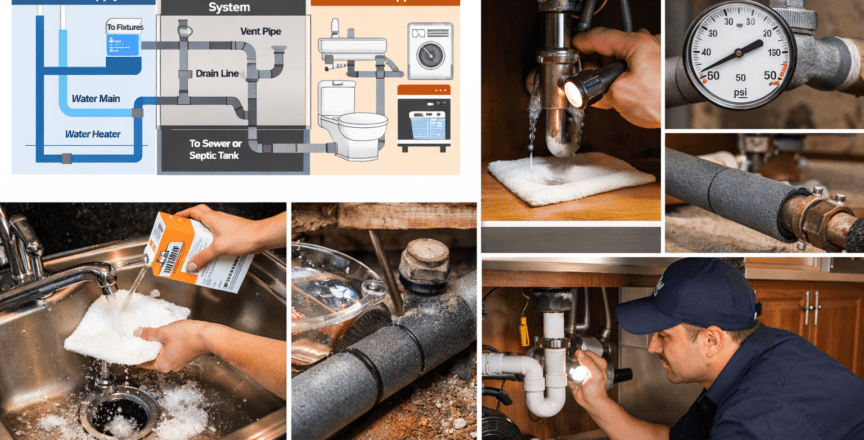
A home plumbing system consists of three main components:
Water Supply System – Pressurized pipes bring fresh water from the municipal main or a private well to your home.
Drain-Waste-Vent (DWV) System – Uses gravity to carry wastewater away while venting air into the pipes to prevent blockages.
Fixtures and Appliances – Includes sinks, toilets, showers, dishwashers, and water heaters that rely on the plumbing system to function efficiently.
Understanding how your house plumbing system works helps you detect issues early and schedule timely repairs before minor problems become major emergencies
How to Maintain Home Plumbing Systems: Monthly Tips
Routine monthly maintenance is one of the best ways to protect your home plumbing system and avoid expensive repairs. Here’s a practical checklist from our experienced team:
Check for Leaks Inspect under sinks, behind toilets, and around appliances like dishwashers and washing machines. Even small drips can: Waste hundreds of gallons of water over time. Cause damage to cabinets, floors, and walls. Encourage mold or mildew growth.
Pro Tip: Place a dry paper towel under pipes overnight. If it’s wet in the morning, you’ve found a leak. Catching leaks early saves money and prevents extensive house plumbing repair.
Test Water Pressure Low water pressure can signal blockages, corrosion, or a failing pump. Check it by attaching a pressure gauge to an outdoor faucet or hose bib. Household pressure should typically be 40–60 psi.
Warning Signs: Sudden drops in pressure when multiple fixtures are used may indicate hidden issues. Addressing these early reduces stress on your pipes and avoids costly damage.
Inspect Faucets and Showerheads Even slow drips can waste over 3,000 gallons of water per year and corrode fixtures.
DIY Tip: Replace worn washers or cartridges in faucets. For showerheads, soak in vinegar to remove mineral buildup and restore flow. Regular inspections reduce the risk of unexpected plumbing home repairs.
Clear Slow Drains Slow drains often signal a developing clog. Prevent issues by:
Running hot water through drains weekly.
Using a natural mix of baking soda and vinegar followed by hot water.
Avoiding grease, coffee grounds, and large food scraps in sinks.
Pro Tip: Use drain strainers in bathrooms to catch hair and debris. Preventive cleaning reduces emergency home plumbing repair calls.
Listen for Unusual Sounds Pipes should operate quietly. Noises can indicate problems: Banging pipes (water hammer) – sudden changes in water flow; may need a water hammer arrestor.
Gurgling drains – trapped air or partial blockages.
Ignoring these sounds can lead to leaks, damaged pipes, or more extensive plumbing home repairs. Our professional team can quickly diagnose and fix these issues.
Seasonal Plumbing Maintenance
Proper seasonal maintenance helps protect your house plumbing system from temperature extremes and wear.
Winter: How to Winterize a Home Plumbing System Frozen pipes are one of the most common causes of emergency home plumbing repair. To winterize your system:
Insulate exposed pipes in basements, attics, and crawl spaces.
Let faucets drip slightly to relieve pressure.
Disconnect outdoor hoses to prevent freezing.
Ensure your water heater is operating efficiently.
Spring
Inspect for leaks from winter freezing.
Test sump pumps to handle spring rains.
Summer
Check sprinklers and garden hoses for leaks or wear.
Inspect outdoor faucets for drips or damage.
Fall
Drain and shut off exterior water lines before freezing temperatures.
Store hoses in a dry, warm place.
Schedule a professional inspection of your water heater and key plumbing components.
Seasonal maintenance ensures your plumbing remains efficient and reduces the need for costly emergency home plumbing services.
Keep Your Home Plumbing System Running Smoothly
A well-maintained home plumbing system saves time, money, and stress. By following these tips on how to maintain home plumbing systems and scheduling regular professional checkups with Butler Plumbing, you can ensure reliable water flow, avoid costly emergencies, and enjoy peace of mind knowing your home is protected.
Contact Butler Plumbing today for expert home plumbing services, emergency repairs, and seasonal maintenance to safeguard your home and family.